

Retaining walls are more than just functional structures; they are an integral part of modern landscaping that can transform your outdoor space.
This article explores how retaining wall installation improves your landscape, enhancing both its beauty and usability.
From understanding their purpose to practical installation and maintenance tips, we will cover everything you need to know to appreciate the value of retaining walls in landscaping.
 GET YOUR FREE QUOTE NOW!

Practical Considerations for Installation
When considering how retaining wall installation improves your landscape, it’s essential to understand the practical considerations that come into play during the process.
First and foremost, site assessment is crucial; evaluating the soil type, slope, and drainage patterns will determine the most effective design for your retaining wall.
This ensures stability and longevity, safeguarding your investment while enhancing your outdoor space.
Additionally, selecting the right materials is vital—options range from natural stone to concrete blocks, each bringing a unique aesthetic to your landscape.
It’s also important to consider local regulations and permits, as these may affect your installation plans.
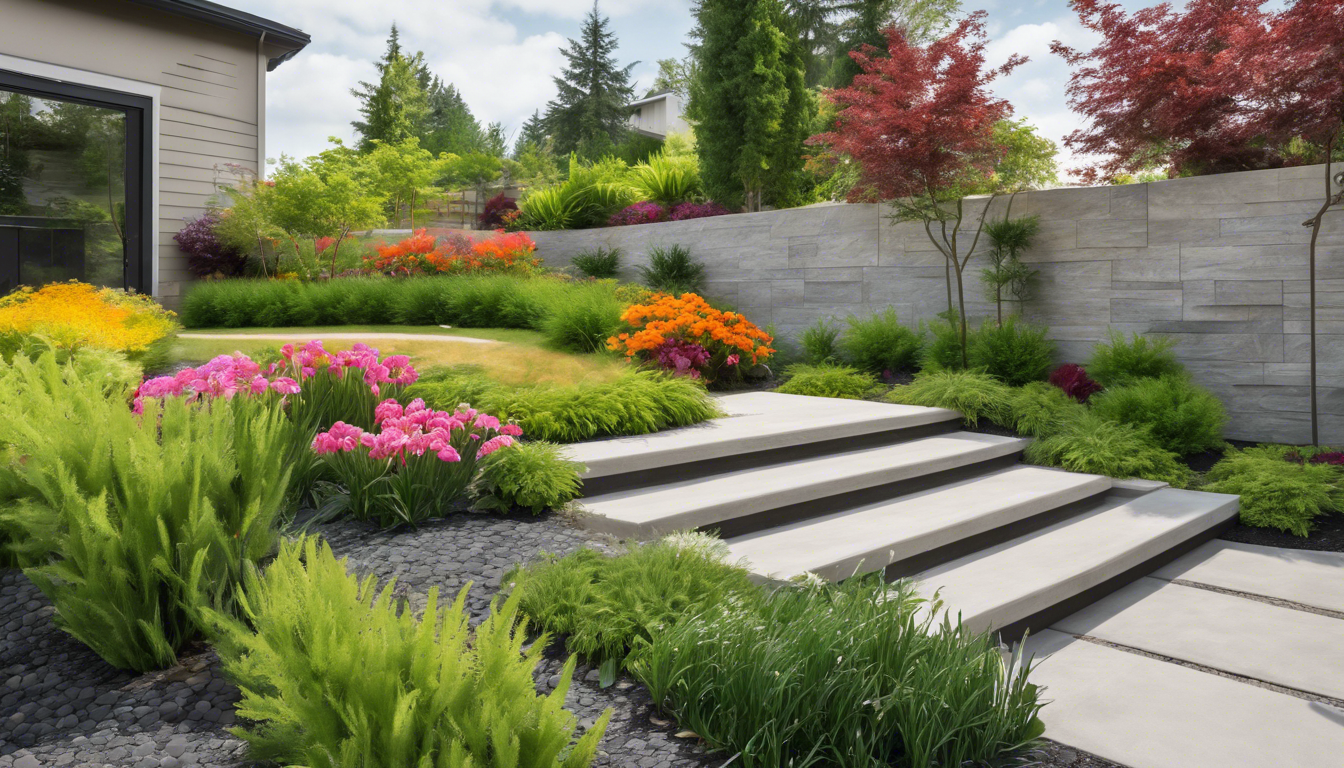
Finally, proper planning and execution can improve water drainage, reduce erosion, and create defined levels in your garden, ultimately maximizing your landscape’s visual appeal and functionality.
Maintenance Tips for Long-Lasting Retaining Walls
Proper maintenance is crucial for ensuring the longevity and effectiveness of your retaining walls.
Regular inspection is essential; check for any signs of damage such as cracks, bulging, or erosion at the base.
Maintaining drainage is also vital—make sure that the drainage pipes are clear and functioning to prevent water accumulation, which can undermine the wall’s stability.
Additionally, during seasonal changes, inspect for vegetation growth around the wall that may contribute to soil instability.
Trimming back roots and plants can help maintain structural integrity.
When you incorporate these maintenance tips, you’re not only protecting your investment but also enhancing the benefits of how retaining wall installation improves your landscape by providing aesthetic appeal and functional support to your outdoor spaces.
Frequently Asked Questions
What is the main function of a retaining wall?
The primary function of a retaining wall is to hold back soil and prevent erosion on sloped landscapes, thus creating flat areas for gardens, patios, or pathways.
How can retaining walls enhance the aesthetics of my landscape?
Retaining walls come in various materials, colors, and designs that can complement your overall landscape design, adding visual interest and structure to your outdoor space.
What practical considerations should I keep in mind before installing a retaining wall?
Before installation, consider factors such as the wall’s height, location, necessary permits, drainage needs, and the types of materials you wish to use to ensure a successful installation.
What maintenance is required for a retaining wall?
Regular maintenance involves checking for signs of erosion, ensuring proper drainage, and inspecting for any cracks or structural damage, which should be addressed promptly to prolong the wall’s lifespan.
Can I install a retaining wall myself, or should I hire a professional?
While some homeowners may choose to install a retaining wall themselves, hiring a professional is recommended for larger walls or those requiring specific engineering to ensure safety and durability.
Shore Point Hardscapes LLC
Hardscaping, Outdoor Kitchens, Fire Pit Installation, Pool Overlays, Nightscape Lighting, Landscape Designer, Fence Installation, Backyard Patios, Retaining Walls & Deck Installation in South Jersey.
Serving all of Southern New Jersey
Phone: 609-653-9222
Email: info@shorepointhardscapes.com
Google Business Page: https://g.co/kgs/RPFCBCo