

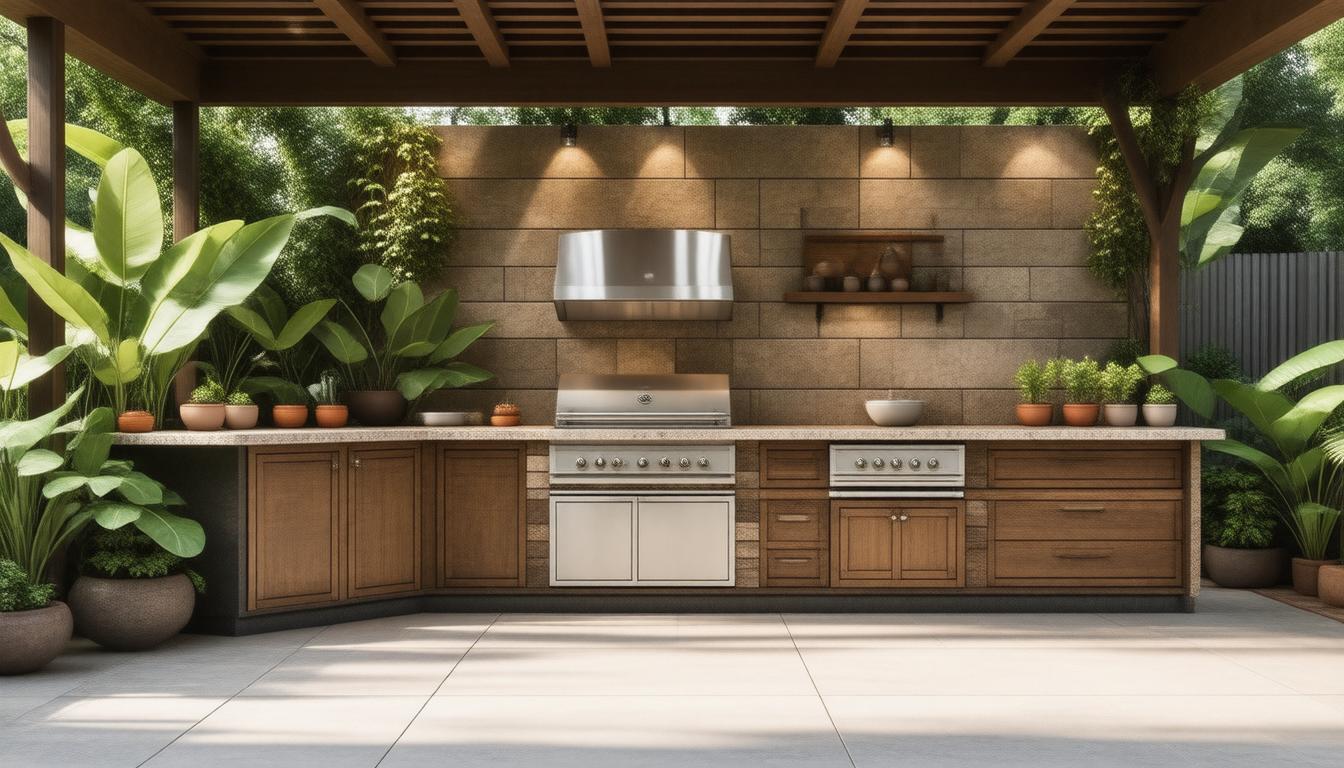
Outdoor kitchen installation can transform your backyard into a culinary haven, ideal for entertaining guests and enjoying family meals under the open sky.
Whether you’re a seasoned chef looking to expand your cooking space or a casual grill master wanting to enhance your outdoor experience, understanding the process and preparing adequately is crucial for a successful installation.
In this article, we will walk you through what to expect and how to prepare for your outdoor kitchen installation.
We will cover everything from assessing your outdoor space and choosing the right materials and appliances to the step-by-step installation process and maintenance tips to keep your outdoor kitchen in top shape.
By the end of this guide, you’ll be well-equipped to embark on your outdoor kitchen project with confidence.
 GET YOUR FREE QUOTE NOW!

The Installation Process: Step-by-Step Guide
When considering outdoor kitchen installation, it’s essential to understand what to expect and how to prepare for the process.
The installation typically begins with a detailed planning phase, where you’ll need to assess your space, budget, and the types of appliances you want to include.
Start by choosing the right location that maximizes functionality while providing easy access to your home.
Next, you should obtain any necessary permits based on local regulations, especially if plumbing and electrical work are involved.
Once you have a solid plan, the next step is to prepare the foundation, which may involve pouring concrete or installing a solid surface to accommodate your kitchen’s structure.
After the groundwork is laid, contractors will begin installing the cabinetry, countertops, and appliances, ensuring everything is connected for both aesthetics and functionality.
Finally, the finishing touches will involve landscaping around your new outdoor kitchen to create a cohesive and inviting environment.
By following this step-by-step guide on outdoor kitchen installation, you can ensure a smooth and successful project that enhances your outdoor living experience.
Maintenance Tips for Keeping Your Outdoor Kitchen in Top Shape
An outdoor kitchen is a fantastic addition to any home, enhancing your outdoor living space and offering a perfect venue for entertaining guests.
However, proper maintenance is essential to ensure that your outdoor kitchen remains in top shape and continues to deliver value for years to come.
Here are some maintenance tips for outdoor kitchen installation, what to expect, and how to prepare.
First, always clean your barbecue grill after each use to prevent grease buildup and ensure optimal performance; this might include brushing the grates and emptying the grease trap.
Second, inspect the countertops and cabinets for any signs of wear and tear, and be proactive in sealing or repairing any damage to prevent more extensive issues down the line.
Additionally, remember to winterize your outdoor kitchen if you live in an area with harsh winters—this includes draining the water lines and covering your appliances.
By following these maintenance tips, you can enjoy your outdoor kitchen for many seasons while ensuring it remains a focal point of your home.
Frequently Asked Questions
What should I consider when assessing my outdoor space for kitchen installation?
When assessing your outdoor space, consider factors like the available area, proximity to your indoor kitchen, sunlight exposure, and existing structures like patios or decks.
Determine your cooking needs and layout preferences to maximize functionality.
What materials are best for outdoor kitchen installations?
Durable materials such as stainless steel for appliances, weather-resistant cabinetry, stone or concrete for countertops, and tile or pavers for flooring are ideal.
These materials can withstand outdoor conditions and require less maintenance.
What is the typical installation process for an outdoor kitchen?
The installation process usually involves planning and designing the layout, obtaining necessary permits, leveling and preparing the site, installing utilities (gas, water, electricity), building the structures, and finally, adding appliances and finishes.
How can I maintain my outdoor kitchen to keep it in great shape?
To maintain your outdoor kitchen, clean appliances regularly, protect surfaces with sealants, cover equipment when not in use, and check for wear and tear on fixtures.
Seasonal maintenance is also vital to prepare for changing weather conditions.
Are there specific permits required for installing an outdoor kitchen?
Yes, many regions require permits for outdoor kitchens, especially if you are adding electrical, plumbing, or gas appliances.
It’s essential to consult local building authorities to ensure compliance with regulations.
Shore Point Hardscapes LLC
Hardscaping, Outdoor Kitchens, Fire Pit Installation, Pool Overlays, Nightscape Lighting, Landscape Designer, Fence Installation, Backyard Patios, Retaining Walls & Deck Installation in South Jersey.
Serving all of Southern New Jersey
Phone: 609-653-9222
Email: info@shorepointhardscapes.com
Google Business Page: https://g.co/kgs/RPFCBCo